
AI and Consulting: Business Transformation Guide
Introduction
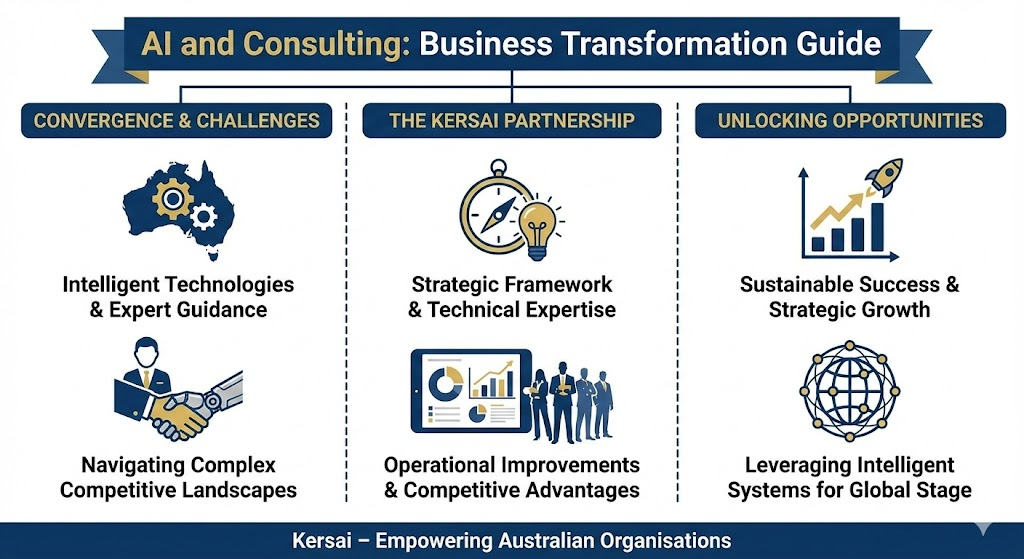
The convergence of artificial intelligence and professional advisory services represents one of the most significant shifts in how Australian businesses approach operational challenges and strategic growth. As organisations across Queensland, New South Wales, and Victoria grapple with increasingly complex competitive landscapes, the integration of intelligent technologies with expert guidance has become essential for sustainable success. The relationship between AI and consulting extends far beyond simple technology implementation—it encompasses strategic planning, change management, workforce development, and fundamental business model transformation.
For businesses seeking to harness these opportunities, partnering with experienced specialists like Kersai can provide the strategic framework and technical expertise necessary to navigate this complex landscape. Whether you’re a small enterprise in regional Australia or a mid-sized organisation competing on the global stage, understanding how intelligent systems and professional advisory services work together can unlock remarkable operational improvements and competitive advantages. This article explores the multifaceted relationship between these two critical business capabilities and how Australian organisations can leverage them effectively.
The Evolution of Business Advisory in the Digital Age
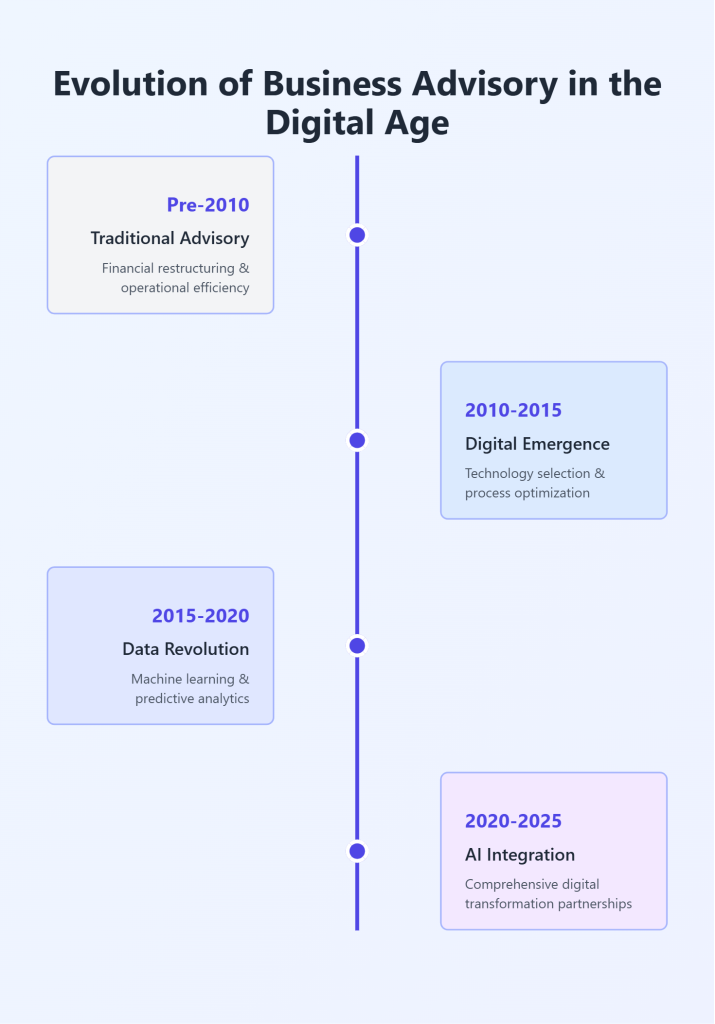
The professional services sector has undergone dramatic transformation over recent decades, moving from traditional management advisory focused primarily on financial restructuring and operational efficiency to comprehensive digital transformation partnerships. Australian businesses historically relied on consultants for strategic planning, process optimisation, and organisational restructuring. However, the emergence of machine learning, natural language processing, and predictive analytics has fundamentally altered both the tools consultants use and the problems they solve.
Contemporary business advisory now encompasses technology selection, implementation roadmapping, data architecture design, and workforce capability development around intelligent systems. The Australian Digital Economy Strategy has accelerated this evolution, encouraging enterprises across manufacturing, healthcare, finance, and professional services to adopt advanced technologies. Queensland’s Industry 4.0 initiatives and similar programmes across other states have created ecosystems where traditional business guidance intersects with cutting-edge technical implementation.
This evolution reflects broader changes in how organisations create value. Competitive advantage increasingly stems from data-driven decision making, automated workflows, and personalised customer experiences—capabilities that require both strategic vision and technical sophistication. Professional advisors who understand these dynamics can guide businesses through complex transformation journeys that deliver measurable outcomes rather than theoretical recommendations.
Strategic Foundations: Aligning Technology with Business Objectives
Successful technology adoption begins with clear strategic alignment between organisational goals and implementation approaches. Many Australian businesses struggle because they pursue technological solutions without adequately defining desired outcomes or ensuring executive commitment. Effective advisory relationships start with comprehensive business audits that identify specific pain points, quantify improvement opportunities, and establish realistic timelines for transformation initiatives.
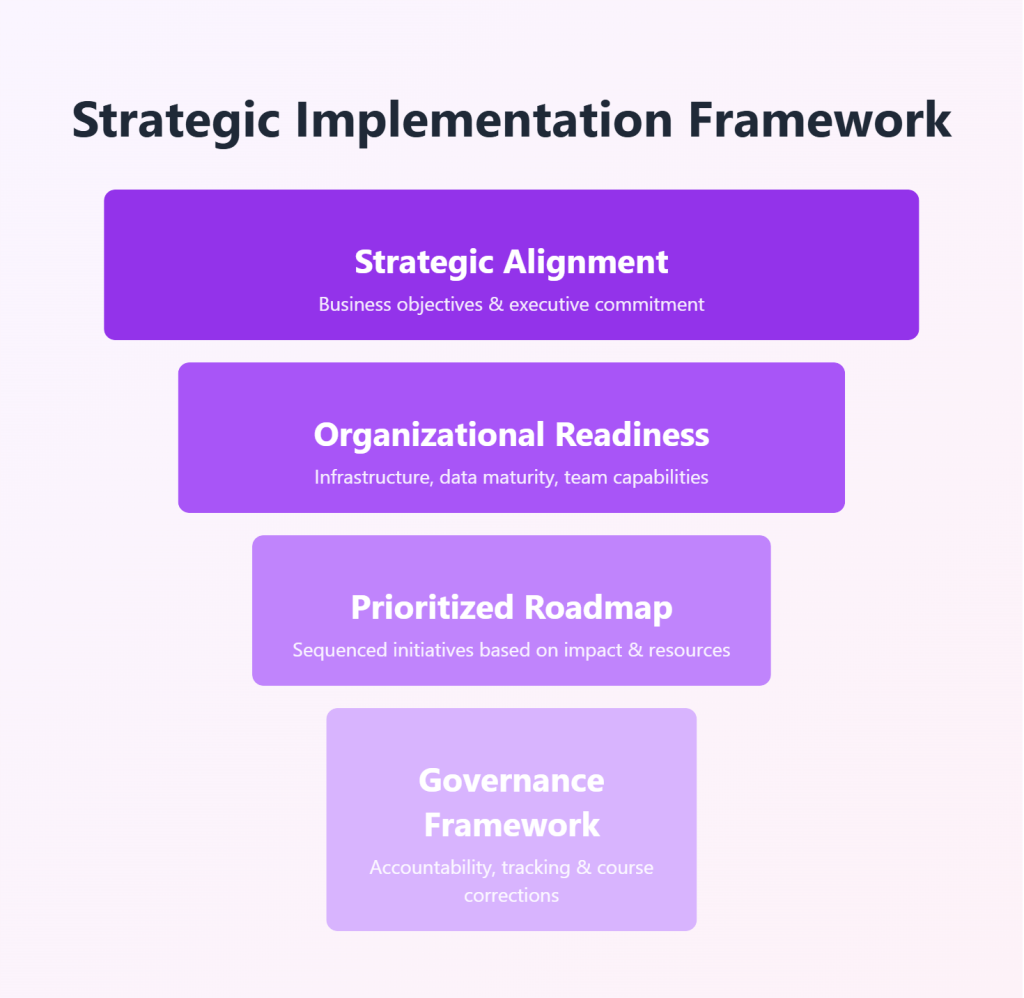
This strategic foundation involves several critical components. First, advisors must assess organisational readiness across multiple dimensions—technical infrastructure, data maturity, team capabilities, and cultural openness to change. Second, they develop prioritised roadmaps that sequence initiatives based on potential impact, resource requirements, and interdependencies. Third, they establish governance frameworks that ensure accountability, track progress, and enable course corrections as circumstances evolve.
Australian organisations benefit particularly from advisory approaches that acknowledge local market conditions, regulatory requirements, and business practices. The Australian Taxation Office’s digital services transformation, for instance, has implications for how businesses manage financial automation. Similarly, state-based digital transformation programmes create both opportunities and compliance considerations that expert guidance can help navigate effectively.
Implementation Methodologies: From Strategy to Execution
Translating strategic vision into operational reality requires structured implementation methodologies that balance ambition with pragmatism. Successful projects typically follow phased approaches that deliver incremental value while building organisational capability. Initial phases often focus on foundational elements—data consolidation, system integrations, and proof-of-concept initiatives that demonstrate potential without requiring massive investments.
Subsequent phases expand scope and sophistication, introducing advanced capabilities like predictive modelling, natural language processing, and intelligent automation. Throughout this journey, effective advisors provide not just technical implementation but also change management support, training programmes, and performance monitoring frameworks. They help businesses avoid common pitfalls such as underestimating data quality requirements, neglecting user adoption strategies, or pursuing overly ambitious timelines.
The relationship between AI and consulting becomes particularly valuable during implementation because it bridges technical complexity with business context. Developers understand algorithms and architectures, but may lack insight into operational workflows, customer journeys, and strategic priorities. Conversely, business leaders understand their industries and customers but may struggle to evaluate competing technologies or anticipate implementation challenges. Professional advisors translate between these perspectives, ensuring solutions align with real business needs.
Transforming Customer Engagement Through Intelligent Systems
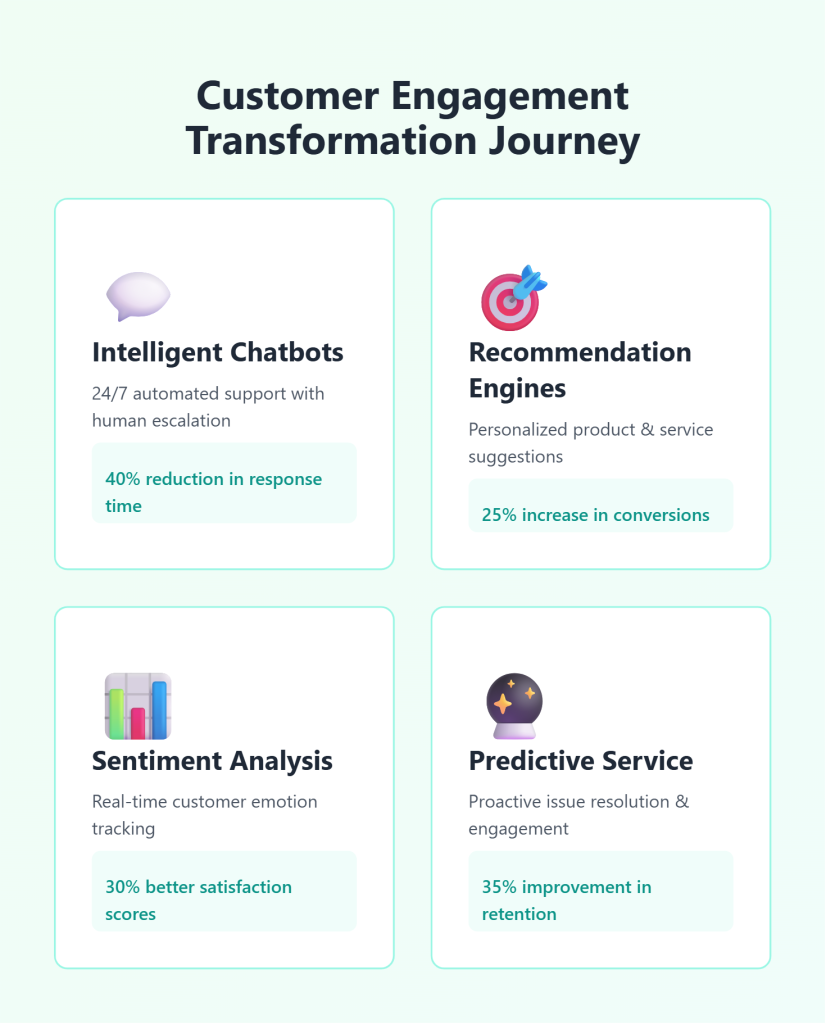
Customer experience represents one of the most impactful areas where professional guidance and advanced technology converge. Australian businesses increasingly compete on personalisation, responsiveness, and seamless multichannel experiences—capabilities that require sophisticated technological infrastructure combined with strategic design. Intelligent chatbots, recommendation engines, sentiment analysis tools, and predictive customer service systems can dramatically improve satisfaction and loyalty when implemented thoughtfully.
However, many organisations struggle to deploy these capabilities effectively. They may implement chatbots that frustrate customers with limited capabilities, recommendation systems that miss the mark, or automated service workflows that lack appropriate human escalation paths. Expert guidance helps businesses design customer engagement strategies that balance automation efficiency with human touchpoints, ensuring technology enhances rather than diminishes relationship quality.
This strategic approach considers customer journey mapping, persona development, channel preferences, and brand voice consistency. Advisors help organisations identify high-value automation opportunities while preserving the personal interactions that differentiate their brands. They also establish measurement frameworks that track not just operational metrics like response times and resolution rates, but also experiential indicators like customer satisfaction, retention, and lifetime value.
Operational Excellence Through Process Automation
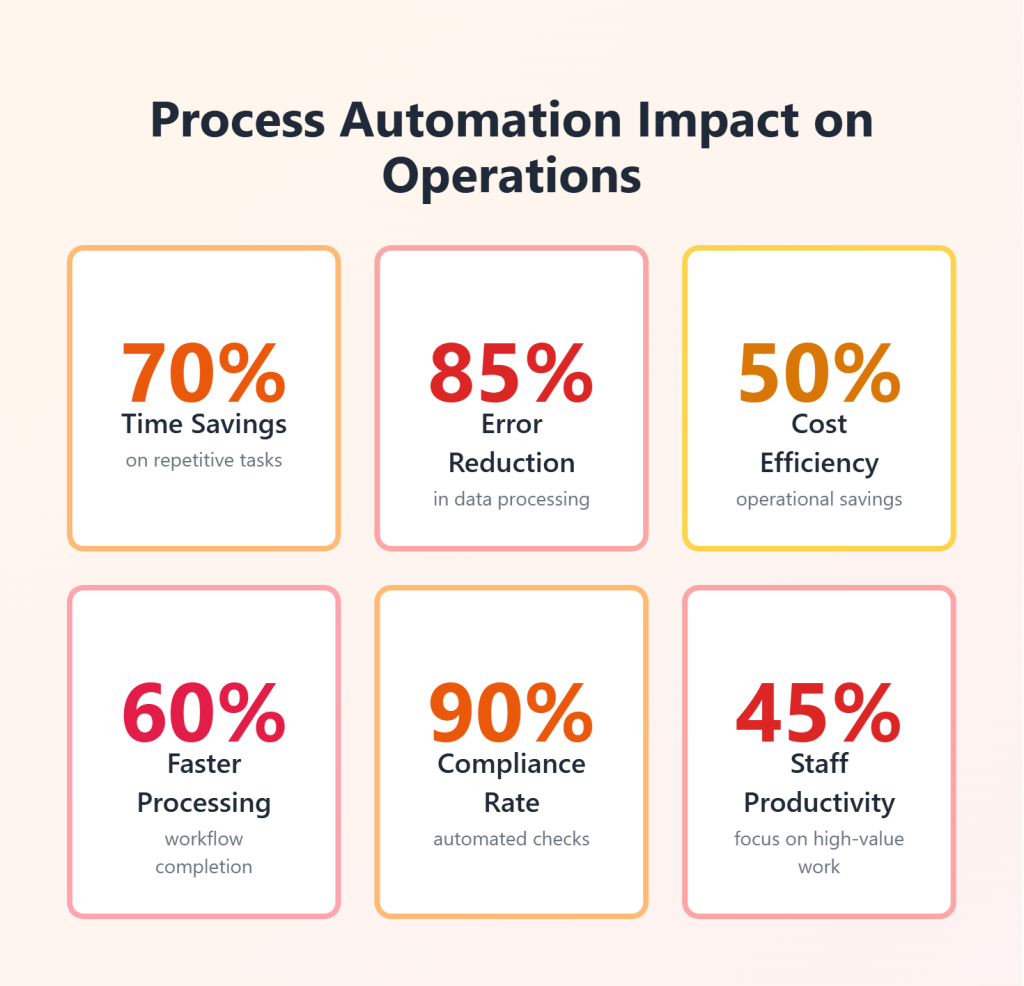
Beyond customer-facing applications, intelligent automation delivers substantial value through operational efficiency improvements. Australian businesses lose considerable resources to repetitive manual tasks—data entry, invoice processing, report generation, document management, and workflow coordination. Professional advisors help organisations identify automation opportunities that offer significant returns while requiring manageable implementation efforts.
The advisory process begins with comprehensive workflow analysis that documents current processes, identifies bottlenecks, quantifies time investments, and maps system interdependencies. This analysis reveals opportunities ranging from simple task automation to complex process orchestration involving multiple systems and decision points. Advisors then help prioritise initiatives based on potential impact, technical complexity, and strategic alignment.
Implementation requires careful attention to exception handling, error management, and system integration. Automated workflows must accommodate edge cases, provide appropriate human oversight, and maintain data consistency across platforms. Expert guidance ensures these technical considerations receive adequate attention while keeping focus on business outcomes rather than technological sophistication for its own sake.
Data Strategy and Analytics Capabilities
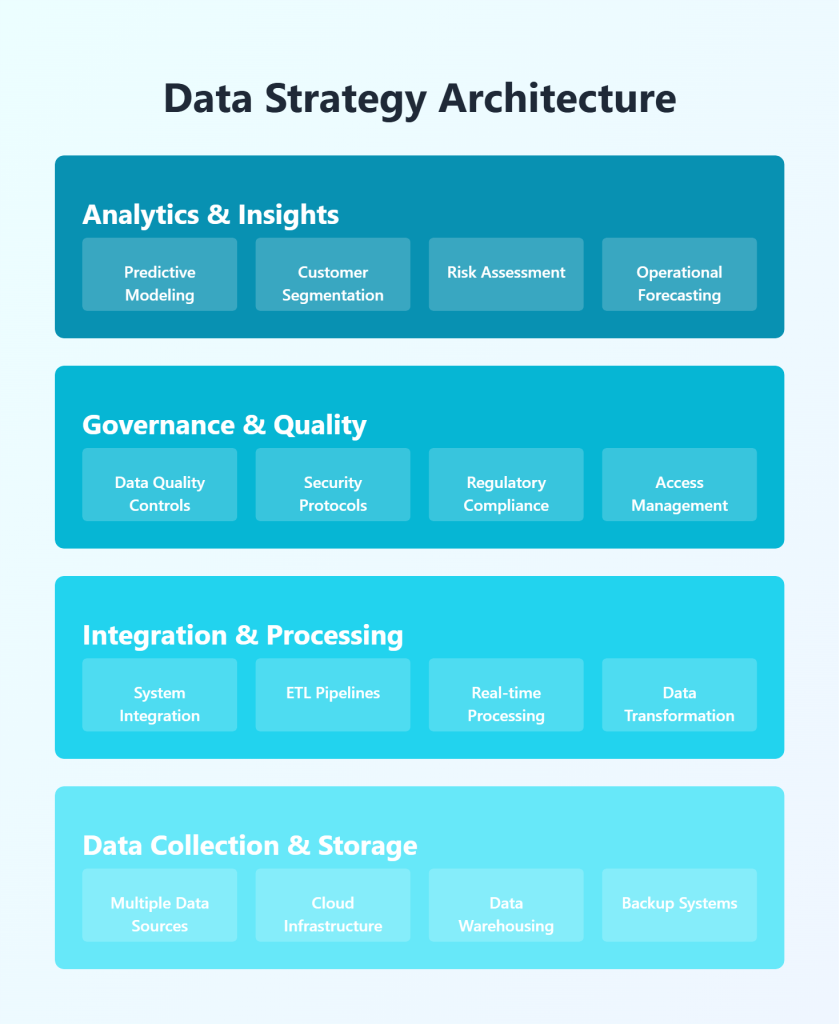
Effective technology adoption requires robust data strategies that address collection, storage, quality, governance, and analytical capabilities. Many Australian organisations possess valuable data assets but struggle to extract actionable insights because of fragmented systems, quality issues, or inadequate analytical tools. Professional advisors help businesses develop comprehensive data strategies that transform information into competitive advantage.
This work encompasses data architecture design, integration planning, quality improvement initiatives, and governance framework development. Advisors help organisations establish single sources of truth, implement appropriate security controls, ensure regulatory compliance, and build analytical capabilities that support decision making. They also address cultural dimensions, helping businesses develop data literacy and evidence-based decision making practices throughout their organisations.
The intersection of business advisory and advanced analytics enables sophisticated applications like predictive modelling, customer segmentation, risk assessment, and operational forecasting. However, realising these benefits requires more than just technical implementation—it demands strategic thinking about which questions matter most, how insights will inform decisions, and what organisational changes may be necessary to act on analytical findings.
How Kersai Delivers AI-Driven Business Transformation
Kersai brings together strategic consulting expertise and technical implementation capabilities to help Australian businesses achieve measurable results through intelligent technology adoption. Based on Queensland’s Gold Coast with operations spanning Australia, New Zealand, the United States, Canada, and Sri Lanka, the company specialises in bridging the gap between technological possibility and business profitability.
The firm’s comprehensive approach encompasses initial business audits that identify high-value opportunities, strategic roadmap development that sequences initiatives appropriately, and complete implementation support including custom development, system integration, and training programmes. Unlike advisors who provide recommendations without execution support, Kersai handles end-to-end transformation—ensuring strategies translate into operational reality rather than remaining unrealised potential.
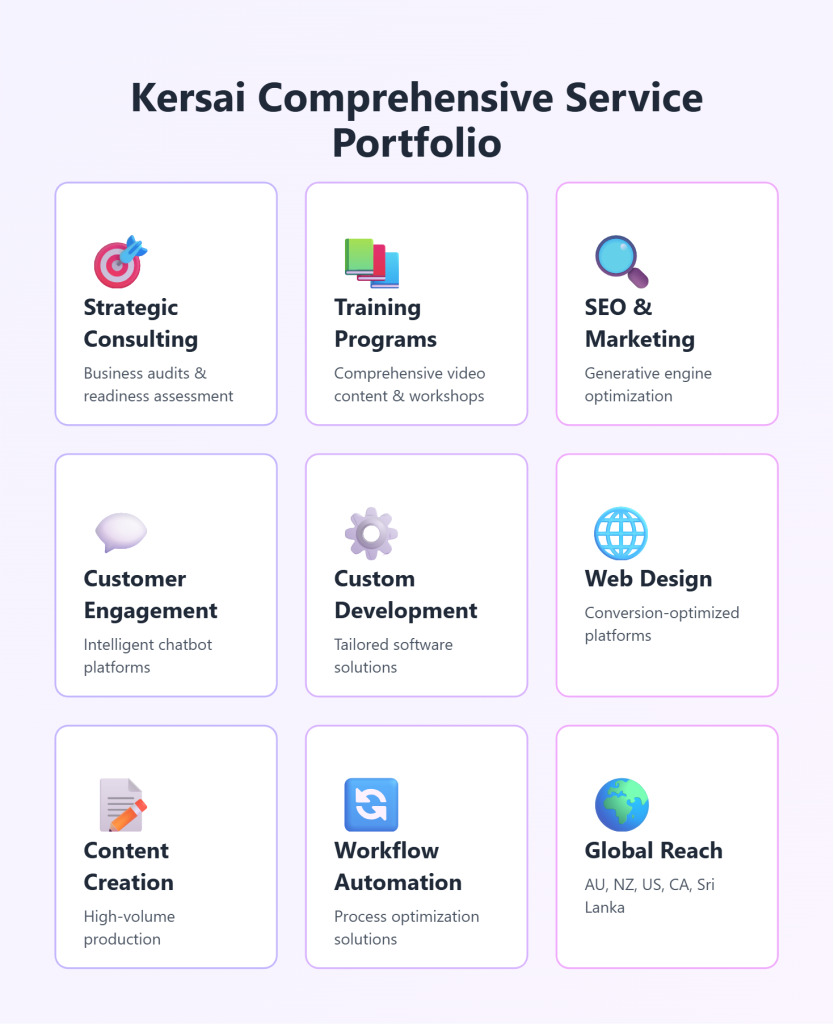
Kersai’s service portfolio addresses the full spectrum of business technology needs: strategic consulting and readiness assessment, comprehensive training programmes with extensive video content, SEO and digital marketing including generative engine optimisation, intelligent customer engagement platforms, custom software development, conversion-optimised web design, high-volume content creation, and workflow automation solutions. This breadth enables the company to address interconnected business challenges holistically rather than through fragmented point solutions.
The leadership team combines entrepreneurial business experience, technical expertise, and deep understanding of financial markets and strategic development. With founders possessing backgrounds spanning executive leadership, full-stack development, blockchain technology, and international business operations, Kersai brings multifaceted perspectives to client challenges. For Australian businesses seeking practical guidance and implementation support around technology-driven growth, Kersai offers transparent pricing, flexible engagement models, and proven track records across healthcare, finance, manufacturing, retail, and professional services sectors. Contact Kersai to explore how strategic AI and consulting services can transform your business operations and competitive positioning.
Emerging Trends Shaping the Advisory Landscape
The relationship between intelligent technologies and professional services continues evolving rapidly as new capabilities emerge and organisational expectations shift. Several trends are reshaping how Australian businesses approach these partnerships and what they expect from advisory relationships.
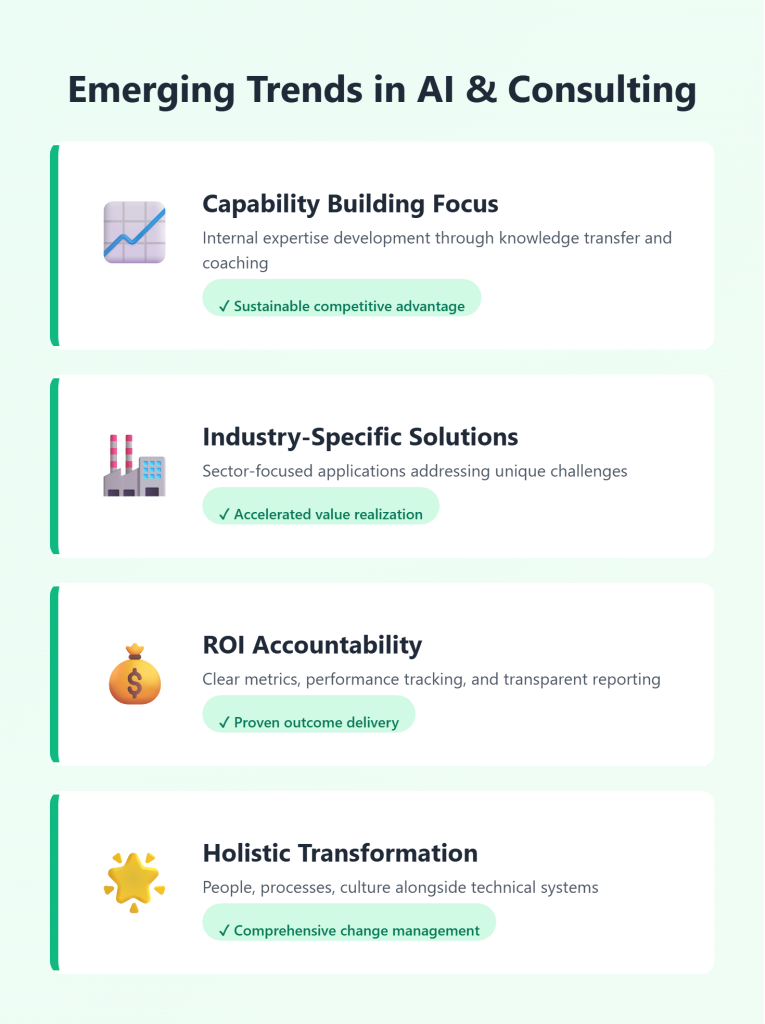
Firstly, advisory engagements increasingly emphasise capability building alongside implementation. Businesses recognise that sustainable competitive advantage requires internal expertise, not just outsourced solutions. Consequently, successful advisors integrate knowledge transfer, training, and coaching into their delivery models, ensuring clients can maintain and evolve systems independently.
Secondly, focus has shifted from generalised technology adoption to industry-specific applications that address particular sector challenges. Healthcare organisations need different solutions than manufacturers, retailers, or professional services firms. Advisors who develop deep industry expertise can provide more relevant guidance and accelerate value realisation by leveraging sector-specific best practices.
Thirdly, measurement and accountability have become central to advisory relationships. Businesses demand clear ROI demonstrations, tracked performance metrics, and transparent reporting on initiative progress. This shift encourages more structured approaches with defined milestones, success criteria, and governance frameworks that ensure projects deliver promised outcomes.
Finally, the scope of advisory relationships has expanded beyond technology selection and implementation to encompass change management, workforce development, ethical considerations, and regulatory compliance. As intelligent systems become more sophisticated and pervasive, the organisational implications extend far beyond IT departments, requiring holistic transformation approaches that address people, processes, and culture alongside technical systems.
Conclusion: Strategic Technology Adoption for Competitive Advantage
The intersection of artificial intelligence and professional consulting services offers Australian businesses unprecedented opportunities to enhance operations, improve customer experiences, and achieve sustainable competitive advantages. However, realising these benefits requires more than just technology acquisition—it demands strategic thinking, careful planning, structured implementation, and ongoing capability development. The most successful organisations approach AI and consulting relationships as long-term partnerships focused on continuous improvement rather than one-time projects.
As you consider your organisation’s technology transformation journey, reflect on these fundamental questions: Does your business have clear strategic objectives that technology investments should support, or are you pursuing digital transformation without defined outcomes? Have you honestly assessed your organisation’s readiness for intelligent technology adoption across infrastructure, data, capabilities, and culture? Are you prepared to invest not just in systems but also in the training, change management, and process redesign necessary for successful adoption?
For Australian businesses ready to embrace these opportunities, partnering with experienced advisors who combine strategic vision with technical implementation expertise can dramatically accelerate progress while reducing risk. Explore how comprehensive AI and consulting services from specialists like Kersai can help your organisation navigate this complex landscape and achieve meaningful business transformation.


